A New Era of Brand Sponsorships
In the era of ad-fatigue, fragmented attention, and most consumers using ad-blockers, brands are realizing that being tuned into culture isn't enough. You have to be inside the story.
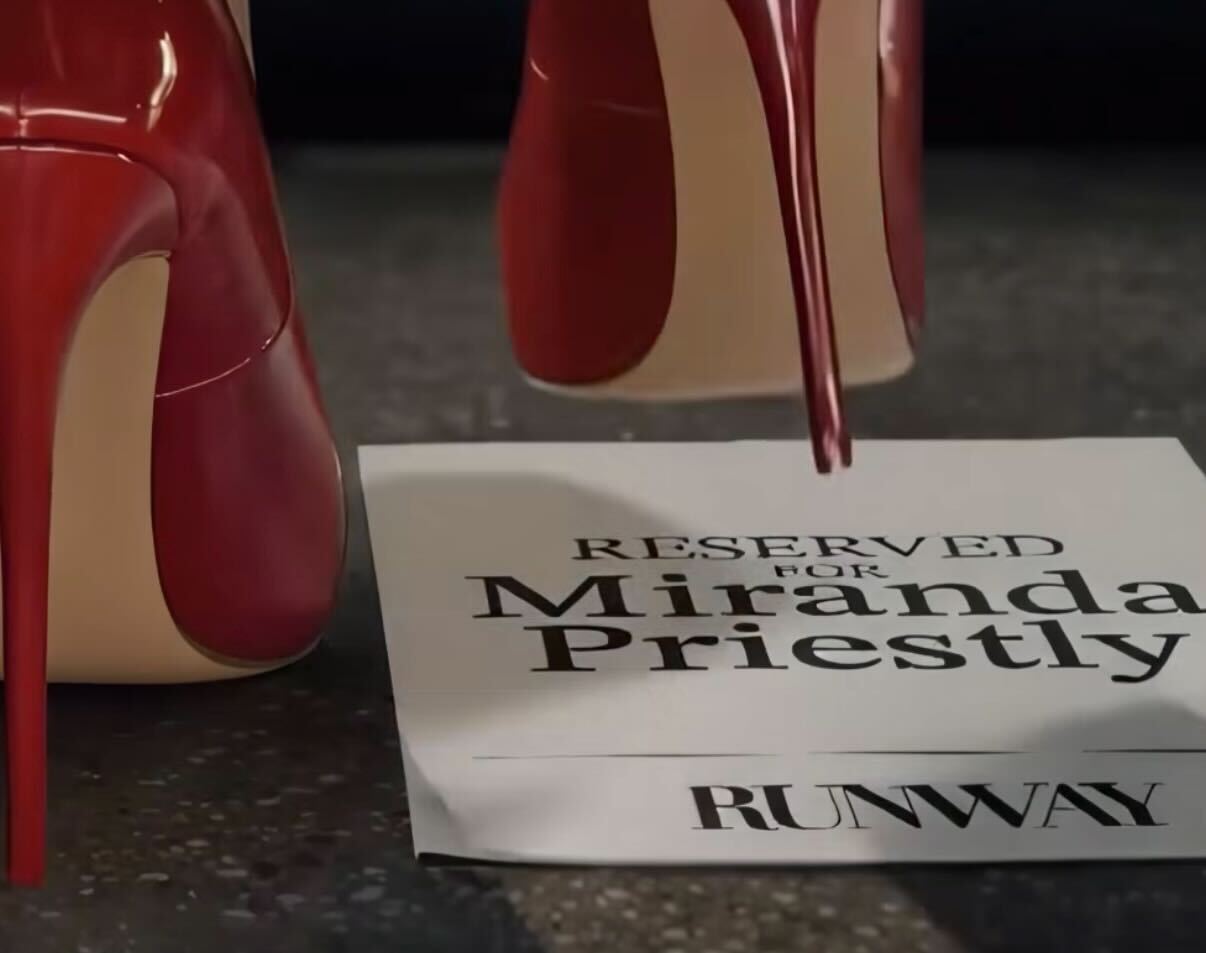
In the iconic original The Devil Wears Prada, Miranda Priestly famously dismantled the "casual" nature of a blue – sorry, cerulean – sweater, proving that every consumer choice is the result of a trillion-dollar industry pulling the strings. Fast forward to 2026 where we’re getting hints that the strings, and who those who pull them, are changing. As AdWeek noted in a recent article, TRESemmé’s partnership with The Devil Wears Prada 2 isn't just a nod to nostalgia, it’s a masterclass in the evolution of sponsorships and product placements.
For decades, grabbing a consumer’s attention was a linear game: buy the ad space, show the product, and hope the message stuck. But in the era of ad-fatigue, fragmented attention, and most consumers using ad-blockers, brands like TRESemmé are realizing that being tuned into culture isn't enough. You have to be inside the story.
From "Product Placement" to "Cultural Integration"
TRESemmé's latest campaign that aired during the Oscars featured influencer and podcast host Paige DeSorbo as the "Chief A-List Officer" and designer Christian Siriano prepping for a show where the iconic Miranda Priestly would be in attendance. By creating a "lost scene" with familiar pop culture figures, complete with a rare nod of approval from the fictional character, the brand transformed hair care into a unique narrative device. It wasn’t just a subtle nod to the anticipated sequel, it was a sneaky tactic that will have movie-goers paying attention to the products intentionally placed throughout the film. How’s that for psychology?
As creative advertisers, it’s important to grasp that we’re no longer in the business of interruption; but rather the business of immersion. It’s our job to be engulfed in culture, on top of trends, and thinking outside the brief – without going off-brief. When a consumer sees a product solve a problem within a world they’re already invested in, the action to purchase becomes an emotional response rather than a rational one.
Concepting Outside of the Box
If your idea can only live on a billboard or print ad, it’s not big enough. Only time will tell how well the TRESemmé campaign will do. Considering that it already has people talking, it’s doing something right. That’s why having a deep understanding of your target demographic, nailing a cultural insight, and pushing the boundaries of traditional marketing tactics will always make brands go further with consumers. Sure, those traditional tactics will always exist, but being able to create a campaign that goes beyond taglines and layouts is what will make you stand out in the industry.
In today’s hiring landscape for creatives, your portfolio needs to prove you can play in the same sandbox as the big thinkers who are turning TRESemmé from a lagging drugstore brand to the “signature hair brand” for The Devil Wears Prada 2. At book180, we’re not just teaching you how to write great copy or design great ads. Students are pushed to think beyond words and visuals by tapping into cultural moments that can gain earned media and excite your audience. It’s strategic entertainment versus advertising.
book180 instructors prioritize assigning interesting and thought-provoking creative briefs that inspire students to think big.
This Lego x Omega partnership created by book180 students started with a smart discovery: Omega has helped build human history. It was the first watch worn on the moon’s surface. It’s been the official time keeper for over 30 Olympic games. It’s also a watch you build up to. They decided to reach a younger audience, young professionals and parents, through another building brand they’re familiar with: Lego. They designed an Omega watch you could build out of legos, and all of a sudden, audiences aren’t being advertised to, they’re being strategically entertained.
Same with this Duo Lingo + Sims partnership, also created by book180 students. They tackled the problem that people weren’t returning as often as they should to their Duo Lingo lessons, so they decided to entertain them by partnering with the Sims. Instead of learning Sim-lish, now Sims players could learn up to 3 languages while playing, instantly making Duo Lingo a fun and strategically entertaining brand.
It’s exactly what TRESemmé did as well. They could tell you more about how their shampoo is elevated hair care, leaving your hair shiny and smooth, etc, etc. OR — they could entertain you by partnering with The Devil Wears Prada 2, and let you make that decision for yourself.
Platform-level thinking and unexpected partnerships are what separate good portfolios from unforgettable ones. When students explore ideas that extend beyond traditional ad formats—whether that’s reimagining how a brand shows up in entertainment, product design, or social behavior—they signal to hiring teams that they can think like modern creatives. If you can demonstrate how an idea can capture earned media, live across channels, evolve through collaboration, and earn its place in culture, you make an incredible hire. That depth shows an ability to connect dots others don’t see, which is exactly what today’s agencies and brands are looking for.
To all the aspiring creatives out there: whether or not you attend a portfolio school, know how to create that “cerulean” moment… AKA an idea so integrated into culture that it becomes impossible to ignore. As the queen herself would say, “that’s all!”